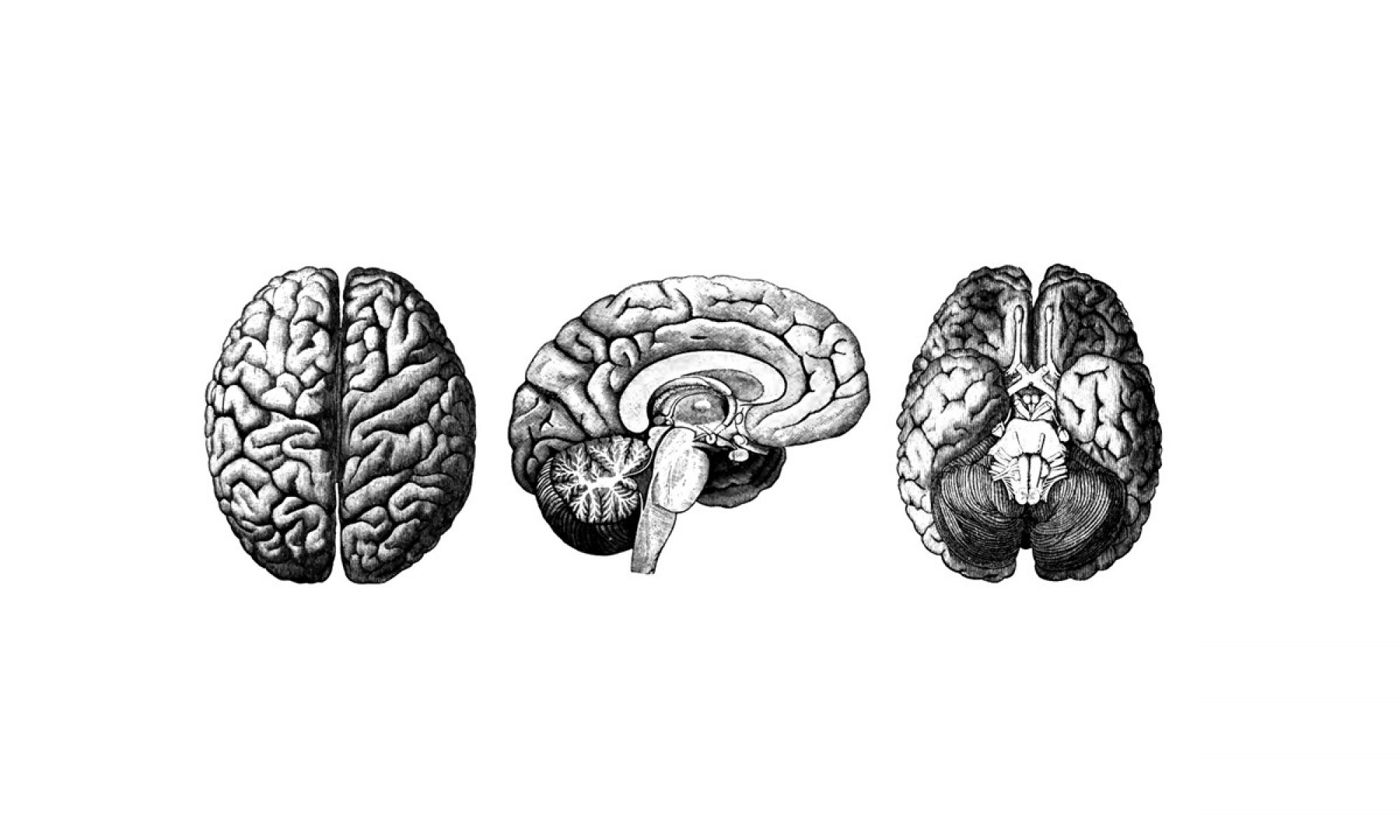
The effectiveness of L1 and L2 literacy instruction: A longitudinal eye-tracking study
My dissertation investigates the effectiveness of literacy instruction in first language (L1) and second language (L2) participants with a range of literacy levels, including those who have not yet developed literacy. More specifically, I aim to shed light on how the (il)literate brain engages in L1 or L2 written and oral language comprehension. The results of my dissertation will provide the insights on the most effective L1/L2 instructional activities for literacy, as well as the longitudinal trajectory of L1/L2 written and auditory processing.
Anticipatory eye-movements in spoken English: Is literacy a factor?
This study examines whether our ability to read develops our ability to predict upcoming linguistic information based on previous input by employing the visual world paradigm and eye-tracking methodology.
